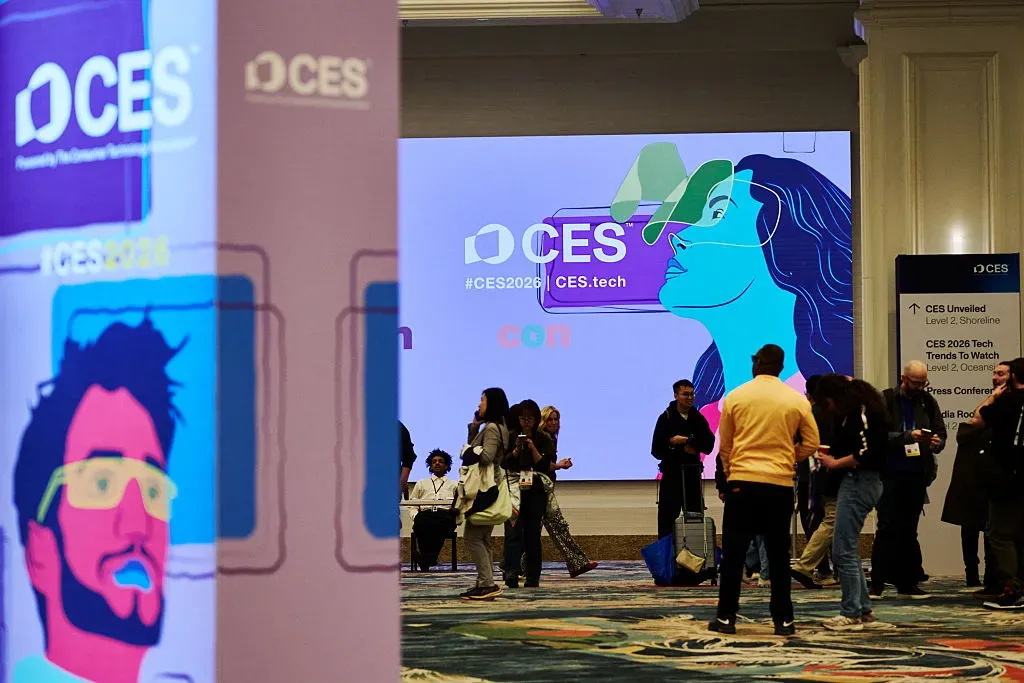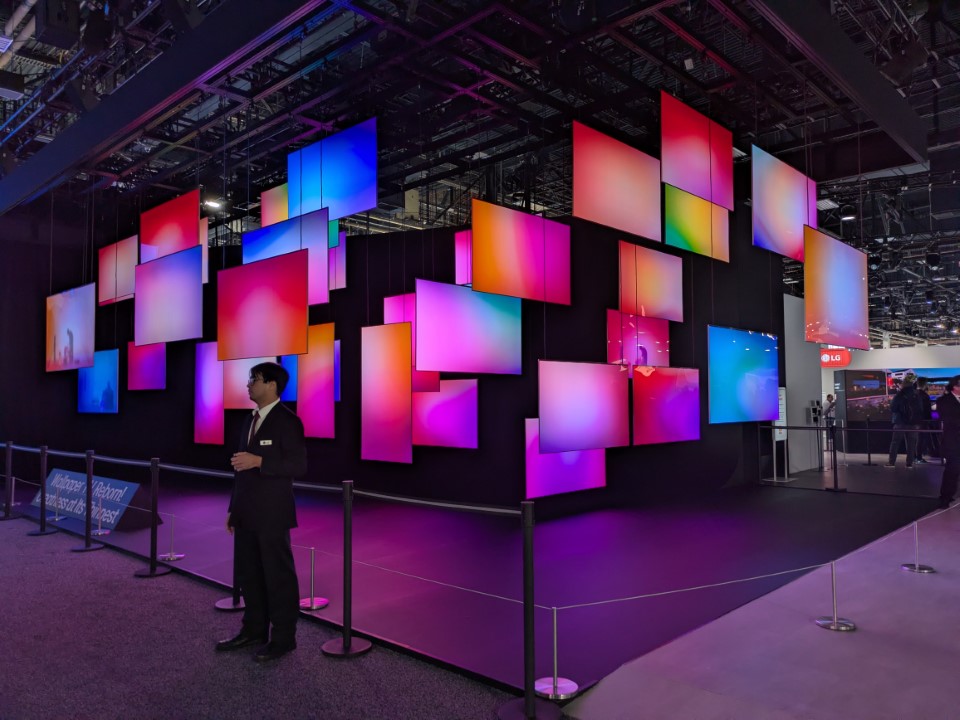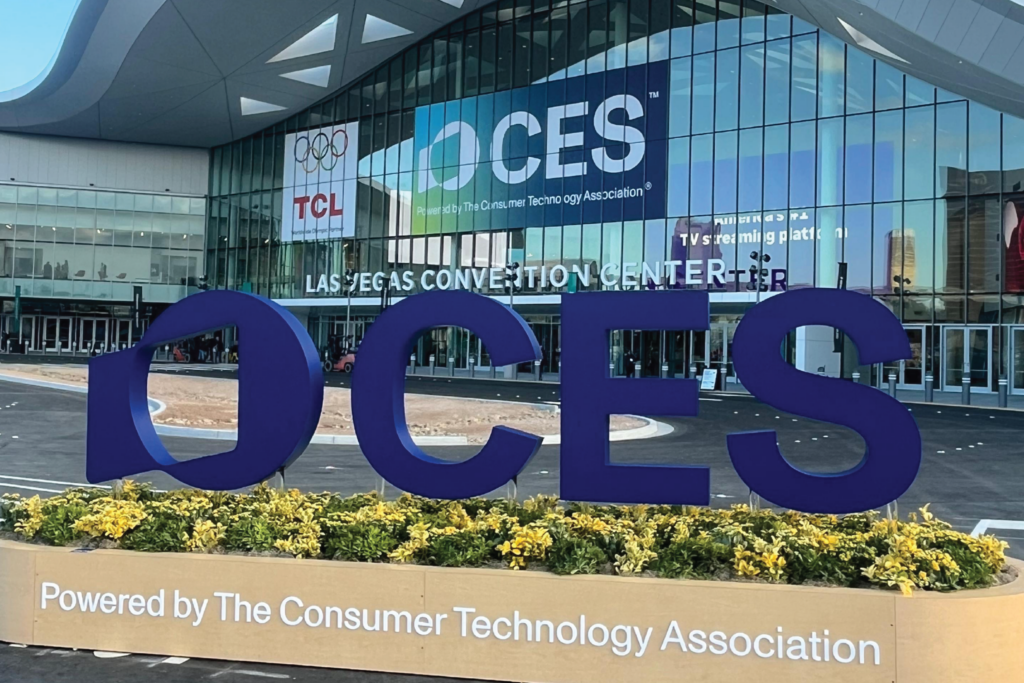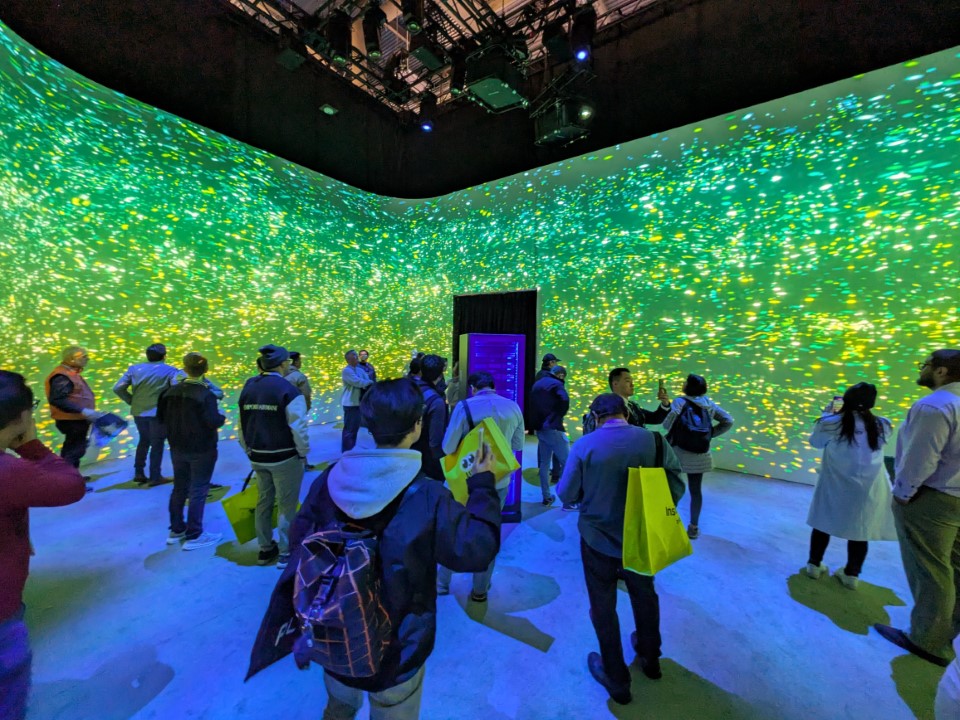
A visit to any significant trade show will prove that the most important conversations aren’t happening out in the open. They’re happening quietly and discreetly behind closed doors. Not just in controlled or closed booths on-site. But also off-site, in invitation only suites, ballrooms, private villas, and bespoke environments. These controlled environments allow brands to decide exactly who enters, what they see, and how the story unfolds.
It’s a striking shift for an event that once prided itself on spectacle and scale. But one that reflects the changing nature of influence in a world where attention is increasingly fragmented. A world where decision makers, and the decisions they make, are under the unforgiving and forensic scrutiny of social media as never before.
A quick look at audience profiles at CES 2026 underscores why exclusivity is becoming the new currency. The show achieved a rare density of power. More than half the crowd consisted of Csuite executives, founders, VPs, and directors. That’s over 72,000 people with the authority to shape strategy, partnerships, budgets, and product roadmaps. But it’s the audacious mix of influence that counts. Leadership from 305 of the Fortune Global 500 walked the same floor as 1,400 startups, 4,500 exhibitors, 6,600 journalists, and 158 government representatives. Add 57,401 international visitors from 158 countries, and CES becomes less a trade show and more a global decision making ecosystem. In that context, it’s no surprise that brands are rethinking how, and where, they engage.
For many exhibitors, the traditional open booth simply no longer delivers the precision they need. Conversations with clients, both new and longstanding, reveal the sentiment that the vast open prairie of CES has lost some of its sparkle in recent years. Not its importance, but its ability to create valuable, high signal interactions. Too much noise. Too many wanderers. Too many people filming content rather than absorbing it. The response from leading brands has been decisive. They need to curate, control, and elevate meaningful conversations.
Of course, the show floor still has the gravitational pull of the signage, the chaos, the endless footfall. Big, open stands are still in evidence. Some brands favor an open forecourt with controlled access to private, luxurious spaces beyond. But an increasing number of brand spaces are accessed entirely by invitation only. This is part of a wider trend that sees brands treating CES as a citywide media moment, rather than a single venue. In truth, many are orchestrating an ongoing, multi-faceted mélange of social media moments that are, in reality, disparately timed and placed. The real conversations and the real action is taking place in private seclusion.
This shift was visible right across Las Vegas. Companies staged their own keynotes in theatres and arenas far from the show floor. They built branded campuses in hotels, hosted private dinners, and designed experiences that unfolded like guided narratives rather than open ended demos.
Samsung moved its activity to the Wynn. Sony, Nikon, Intel, AMD, HP, Lenovo, and Dell all stepped away from the main halls. None of them abandoned CES. They simply chose to max it on their own terms. To shape their own environments. To orchestrate bespoke experiences and private conversations. To break free from the randomness of foot traffic and the pressure to compete for attention on a crowded aisle.
The strategic logic is hard to ignore. Private experiences allow brands to deliver clearer messages, craft bespoke story arcs, and tailor interactions to the needs of different, but equally demanding audiences. They turn CES into a multi-layered ecosystem. The public stage sets the agenda, while the private suites allow relationships to deepen and deals to take shape. Exhibition is no longer the preoccupation. The real challenge for 2026 and beyond is deciding what to own, what to borrow, and what to control. And understanding that the most valuable moments will occur off the show floor, in quiet, curated spaces where the future is negotiated, not displayed.