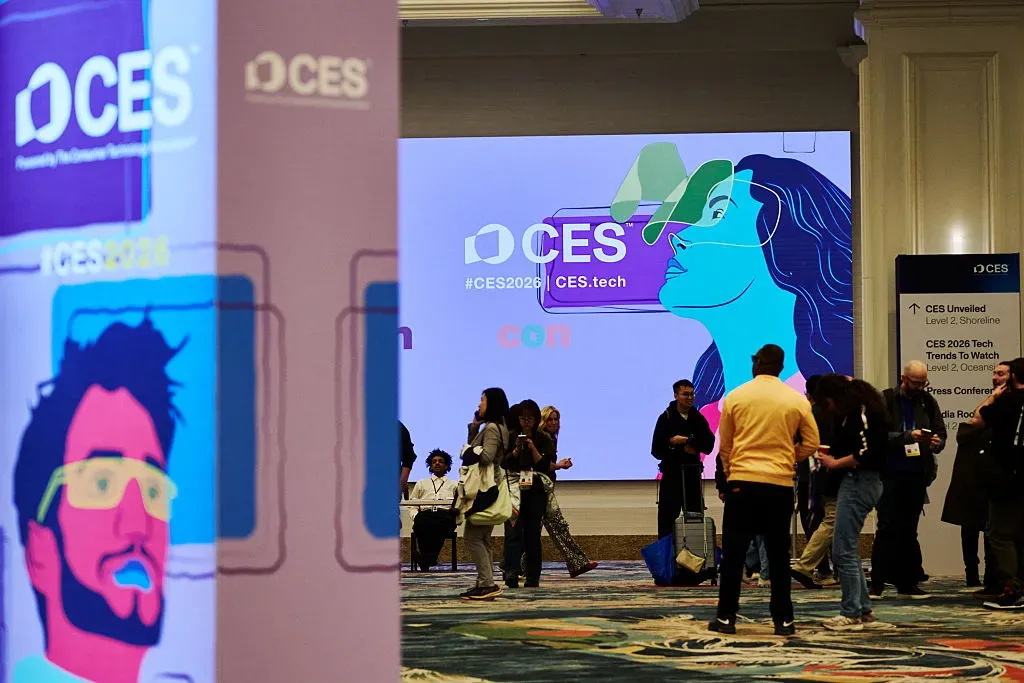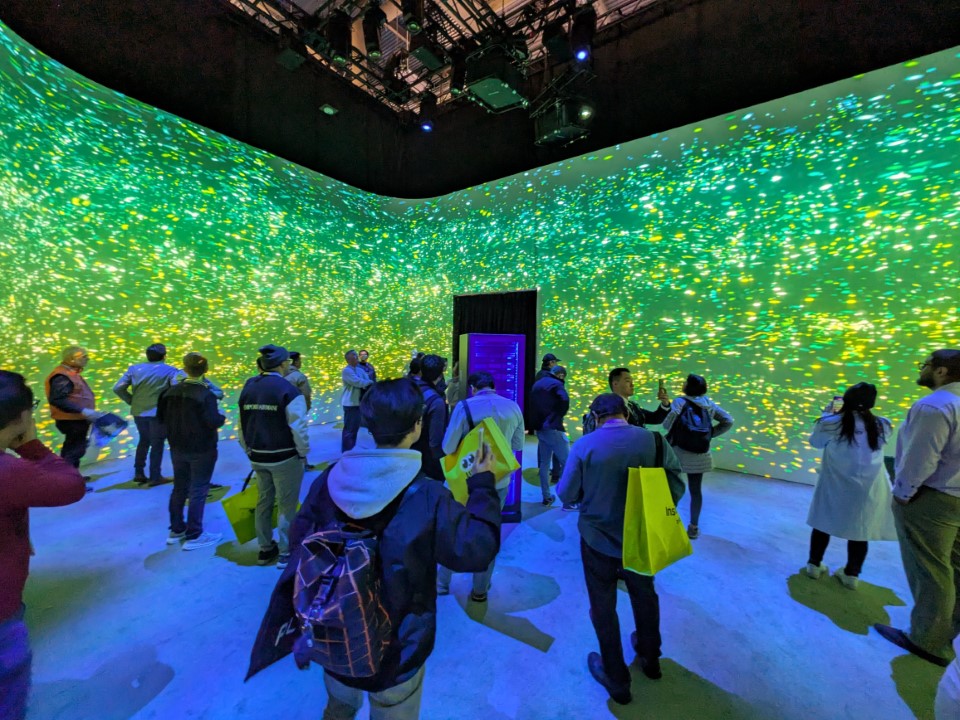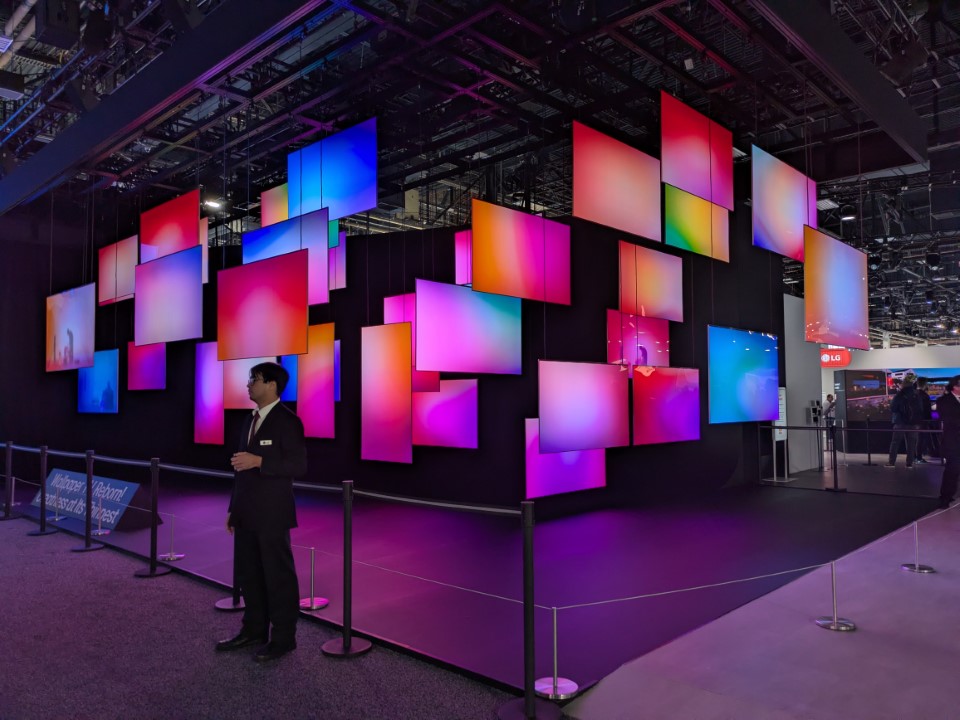
It’s apparent that the showstopper at major tech industry trade shows isn’t a specific gadget or emerging technology. Instead, it’s an understanding of the sheer, undeniable power of clarity. In intense show environments, ‘AI’ messaging is so saturated, it risks becoming background wallpaper. The brands that are truly stealing the show are those that are able to move beyond the buzzword to make this increasingly ubiquitous technology feel human and personal. To make AI feel immediately useful. Right now.
Show how AI makes life better
The most convincing brands are those with the understanding that a technical spec doesn’t win hearts or minds. Instead, they achieved a massive strategic pivot from abstract “imagine if” scenarios to the undeniable, immediate reality of “why this matters to you now”.
For example, at CES 2026, a favorite was the ‘Like a Bosch’ campaign, which masterfully translated complex innovation into a relatable narrative about how their innovations actually help us live, work, and create. It sounds simple, but moving from feature lists to relatable, empathetic, human stories is a giant leap that many brands struggle to make.
The Birdfy stand showed the exquisite simplicity of AI in action, demonstrating how it can help ensure you’re feeding the right birds in your garden. There was an army of robotics on display, but LG CLOiD, a humanoid home assistant equipped with two freedom arms, designed to handle physical household tasks such as laundry or loading a dishwasher, was both accessible and desirable.
Make AI messaging simple
On the high-stakes show floor, the 30-second rule has become the ultimate filter for survival. If an attendee can’t grasp strategic focus or brand message in half a minute, they’re not stopping. They’re walking right past. While some exhibitors cluttered every inch of their walls with heavy word counts and complex jargon, leaders like LG and Bosch nailed the simple messaging approach. They proved that in a landscape of messaging fatigue, making the complex simple is the only way to truly engage.
Fragment AI into more functional categories
We’re also seeing AI fragment into much clearer, more functional categories. While agentic and industrial AI are vital, the rising star is physical AI. That is, the embodied systems and robotics that people can use to solve real problems. For the most strategically advanced companies, AI has become an assumed baseline rather than a headline feature. It’s moved from being a flashy announcement to functioning as the plumbing or infrastructure of the product. Something ubiquitous that’s simply expected to do well. Because when companies focus on outcomes, rather than just shouting AI, the technology feels more like an intuitive tool for connection than a marketing gimmick.
See how AI impacts your events
The implications of new technologies are massive for event organizers and marketing teams. In 2026, a convincing marketing strategy can’t just deliver a booth video and a press release. It needs to orchestrate a full scale content system. Your team should be operating like a mini news outlet. Content should be planned as a campaign and produced as it would be in a studio. That way, you’ll ensure discussions move from the hall directly into the meeting room.
This is where production acceleration becomes critical. By using AI to localize content, edit highlights, nurture a narrative, and create post-event conversations at superfast speed, brands can dominate the share of voice. If you move the quickest, you own the conversation.
Beyond the speed, brands need to navigate a growing layer of trust. As AI becomes ubiquitous in every interaction we make, our guests expect radical transparency in privacy, security, and ethics.
If AI used to be a ‘nice to have’ afterthought or a below-the-line budget item, it’s now part of a primary strategic discussion that happens on day one. If AI is used only as a buzzword or gimmick, audiences walk away. If it’s used to make an experience faster, clearer, more personal, and more human, then they’re ready to roll.
Above all, make your AI interaction memorable. Bosch showcased a digital aviator engagement, capturing real-time snapshots of visitors and generating a backdrop and photo takeaway. Project LUCI introduced an AI pin wearable, designed to use an extensive visual memory model to store and quickly recall visual information after the event.
What’s next?
As you plan your 2026/7 experiential events roadmap, make the future feel empowering, not intimidating. And remember, success depends on a few killer strategic questions. What’s the repeatable story you want people to tell after they leave? What’s the content system that turns your physical experience into a narrative for wholesale distribution? And finally, is your AI integration providing a concrete, personal, and measurable benefit to your guests? These questions are critical. Because when we prioritize clarity, we don’t just innovate, we connect.