CES 2026 reinforced something many event marketers have been feeling for the past few years: live events are not losing relevance — they are evolving.
With more than 148,000 attendees and over half of them senior-level decision makers, CES once again demonstrated its global influence. The audience was strong, international, and business-focused. The opportunity to connect with decision-makers in one place remains unmatched.
What changed this year wasn’t the importance of CES. It was the way brands chose to show up.
Across the show floor and surrounding venues, participation felt more intentional. Some brands reduced footprint. Others rethought format. A few shifted into more controlled environments off-site. The energy was still high, but the tone felt more strategic — less about spectacle for spectacle’s sake, and more about alignment with clear business objectives.
For event marketers, CES 2026 offered an important reminder: presence still matters. But how you design, build, and execute that presence matters more than ever.
Below are the key shifts from CES 2026 and what they signal for experiential strategy moving forward.
Attention Earned Through Clarity
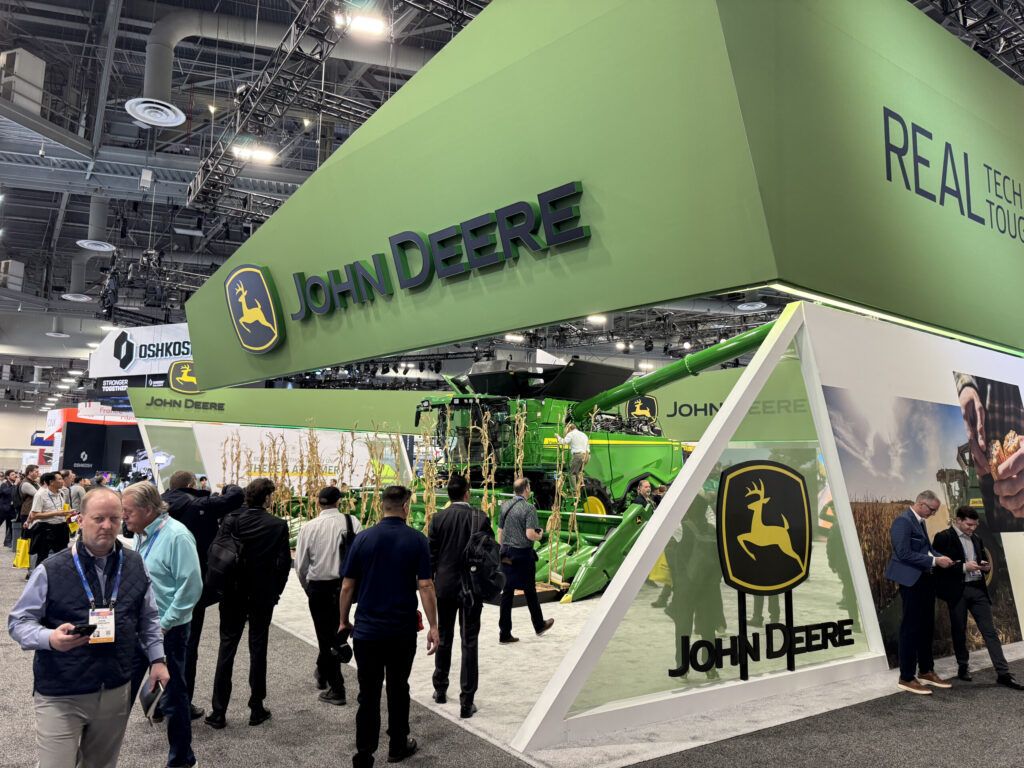
The show floor at CES was dense, competitive, and fast-moving. Attendees weren’t wandering aimlessly; they were filtering quickly, scanning for relevance and value.
The brands that stood out weren’t always the largest. They were the clearest.
John Deere created a controlled, enclosed footprint that generated intrigue from the aisle while maintaining a clear narrative once inside. SYLVOX transformed a durability claim into a participatory demonstration, inviting attendees to interact directly with the product. Bosch unified its messaging across signage, demos, and staff talking points, reducing cognitive friction. Waymo embraced simplicity and strong storytelling flow to cut through category noise.
In each case, the experience communicated purpose immediately.
Key Takeaway
The lesson is practical: engagement begins before someone steps into your space. The perimeter of your exhibit must work as hard as the interior. Messaging should be readable at a glance. Participation cues should be obvious. Staff positioning should invite conversation rather than create barriers.
Brands that engineered attention deliberately were the ones that converted traffic into meaningful interactions.
Format Became More Flexible — Strategy Became More Focused
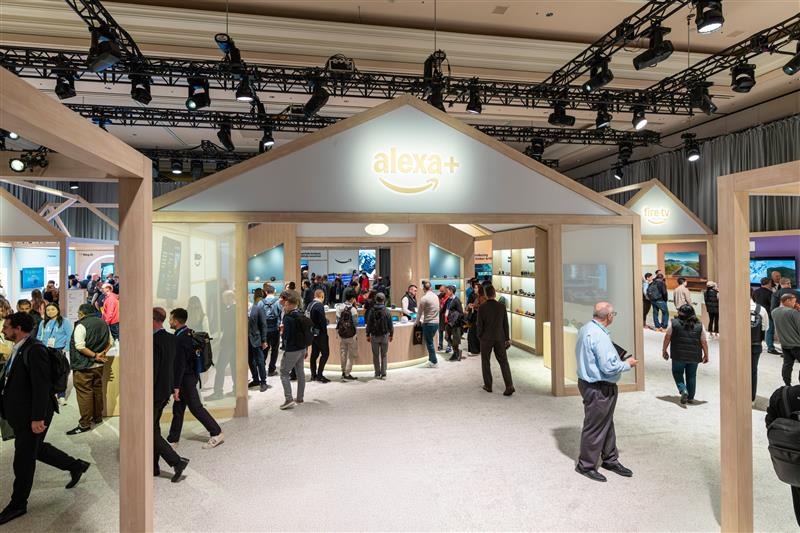
One of the most notable aspects of CES 2026 was how brands approached format. While the Las Vegas Convention Center remained the central hub, it was no longer the only stage.
Some brands relocated to hotel venues to better control pacing and audience composition. Others distributed their presence across partner ecosystems. Several segmented their experiences to speak to different audiences in different environments. Even those that reduced their footprint did so strategically, aligning scale with clear goals.
Importantly, participation did not disappear. It diversified.
Key Takeaway
This shift brings clarity to the process, complex event portfolios perform best when guided by purpose from day one. A large open booth may serve broad awareness. A controlled off-site venue may better support executive conversations. A distributed presence may strengthen ecosystem positioning.
CES showed that format is a strategic tool, not a fixed template. The strongest activations aligned environment, audience, and outcome from the outset.
Physical Space Communicated Brand Discipline
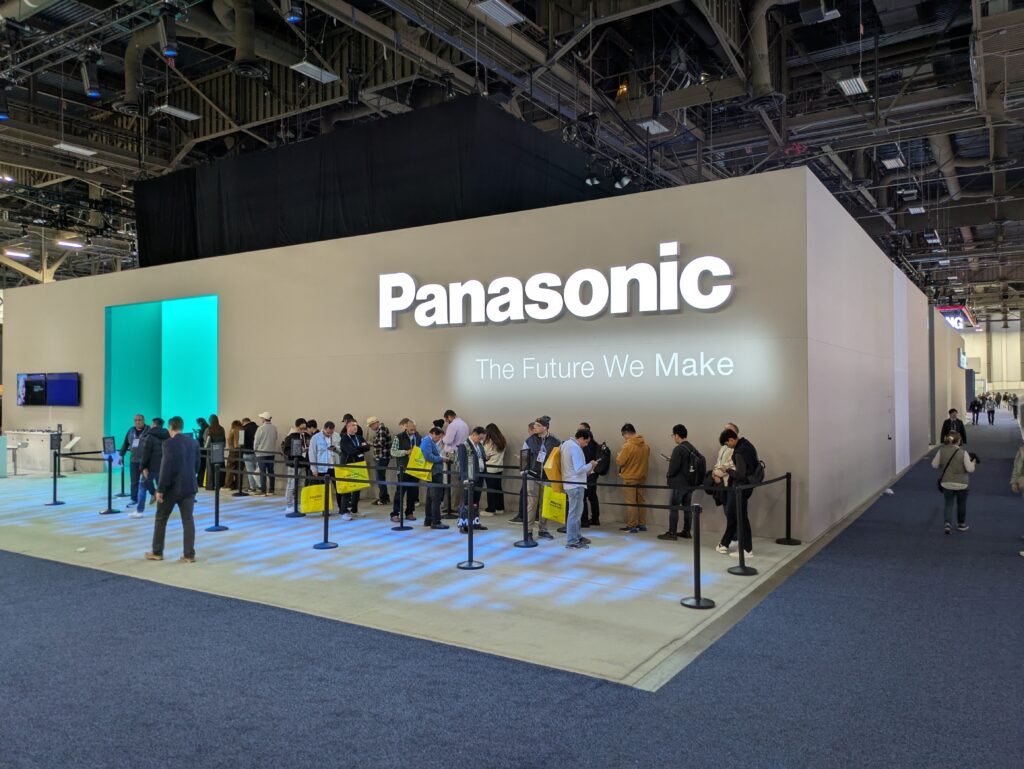
Another consistent theme across CES this year was how much the physical environment communicated about the brand itself.
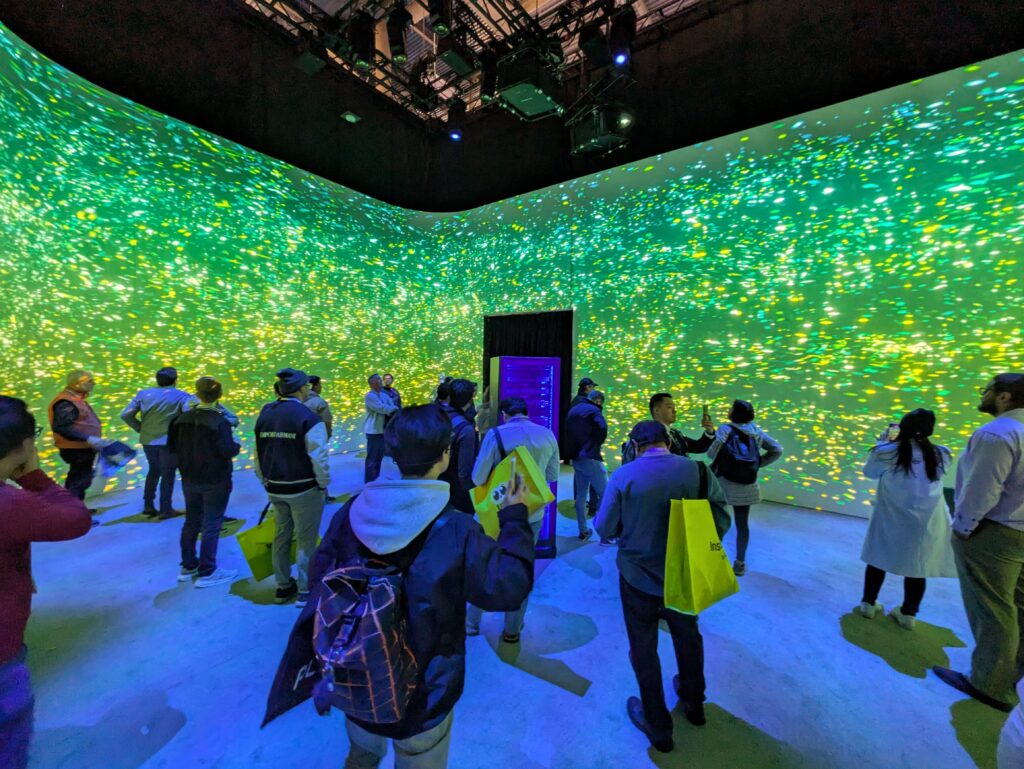
Exhibits that managed flow, pacing, and density effectively felt confident and intentional. Panasonic controlled entry through immersive sequencing, guiding attendees through a structured story. Hyundai prioritized guided tours to deepen engagement rather than maximize throughput. Segway used a singular oversized product focal point to signal evolution immediately and clearly.
Conversely, spaces that lacked narrative flow or clear zoning often struggled to hold attention.
Key Takeaway
This underscores an important point: design is not decoration. It is strategy made tangible. Layout influences how long someone stays, what they understand, and how they remember the interaction.
CES 2026 made it clear that physical presence is a business signal. The way a space feels can either strengthen or dilute the brand story.
Accelerated Innovation Cycles
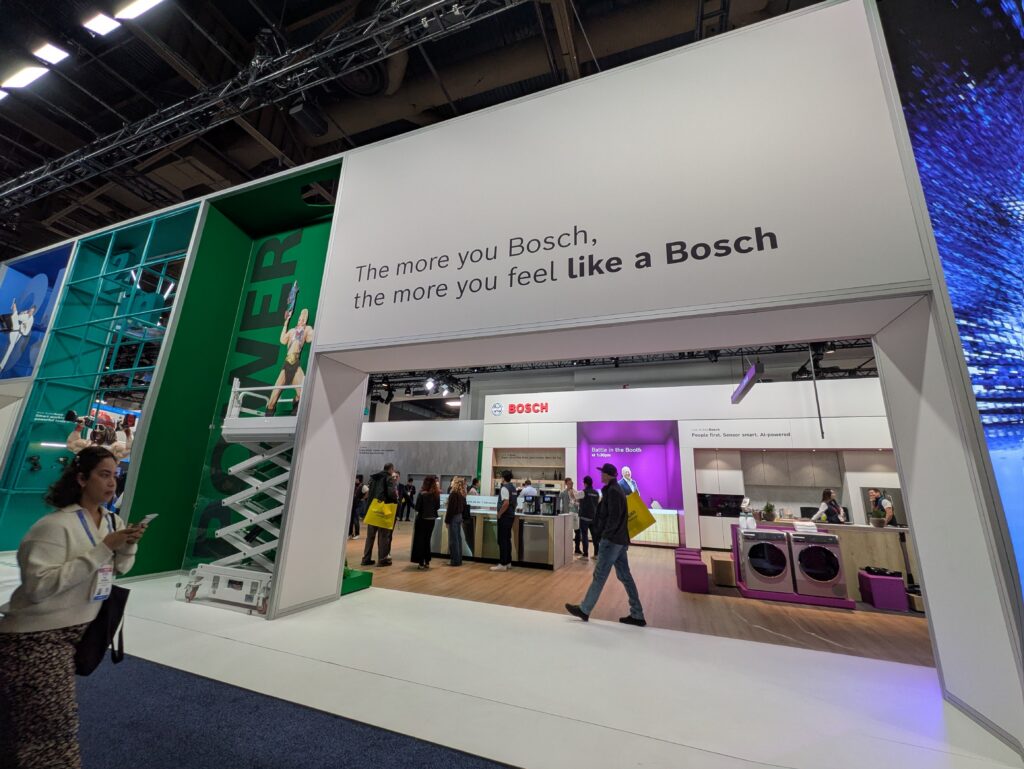
Many brands at CES focused on near-term launches and iterative updates rather than distant, conceptual roadmaps. Innovation cycles continue to compress, and exhibits must adapt accordingly.
Rigid, single-purpose builds feel increasingly risky in this environment. Flexible systems — modular structures, adaptable graphics, dynamic digital storytelling — felt more future-ready.
Key Takeaway
For event marketers, this shift highlights the importance of designing with longevity in mind. Anchoring an exhibit in enduring brand pillars while allowing product storytelling to rotate protects investment and extends ROI beyond a single moment.
Agility is no longer an operational convenience. It is a strategic requirement.
The Value of Intentional Presence
Perhaps the most significant takeaway from CES is that the value of live events remains strong — but success depends on alignment.
Brands that approached the event with clear objectives, cohesive creative strategy, and integrated execution created environments that felt purposeful. Whether large or small, on-site or off-site, their presence supported measurable business goals.
The tone of CES 2026 wasn’t about doing less. It was about doing what matters most.
Key Takeaway
For marketers managing event portfolios across multiple properties and markets, that mindset is especially critical. Each activation should contribute to a broader ecosystem of brand experiences. Strategy should inform creative. Creative should inform build. Build should support operational excellence on-site.
When those elements align, live events remain one of the most powerful platforms for connection, influence, and growth.
What CES 2026 Means for the Future of Experiential Marketing
CES 2026 did not signal retreat. It signaled refinement.
The brands that led this year were not necessarily the loudest or the largest. They were the most aligned. They made deliberate decisions about format, flow, and focus. They treated presence as a strategic investment rather than a default line item.
For event marketers, the opportunity is clear. CES 2026 demonstrated that live experiences continue to drive meaningful engagement — but they require thoughtful strategy, integrated execution, and a portfolio mindset to deliver their full value.
Showing up still matters. Showing up with clarity matters more.